The stomach bug went through the whole house in five days. Two kids, one parent, a lot of time camped on the sofa with a blanket and a bucket nearby. By the end of the week everybody was healthy again and the sofa, the family room carpet, and the rug beside the bed looked fine. Nobody wanted to sit on them anyway.
That's the moment most people call us about the antibacterial sanitizer. It's an add-on to a cleaning, and it makes the most sense on soft surfaces that have been through something.
What the sanitizer step actually is
After the carpet, rug, or furniture has been cleaned, the technician applies an antibacterial treatment to the fibers. It goes on last, once the soil and spots are gone, because a sanitizer sprayed over a dirty carpet is mostly sanitizing dirt.
That order matters more than people expect. Body oils, food residue, and the gray film in a traffic lane all give bacteria something to hold onto. Our cleaning lifts that material out first with no soap left behind, and then the sanitizer has clean fibers to work on.
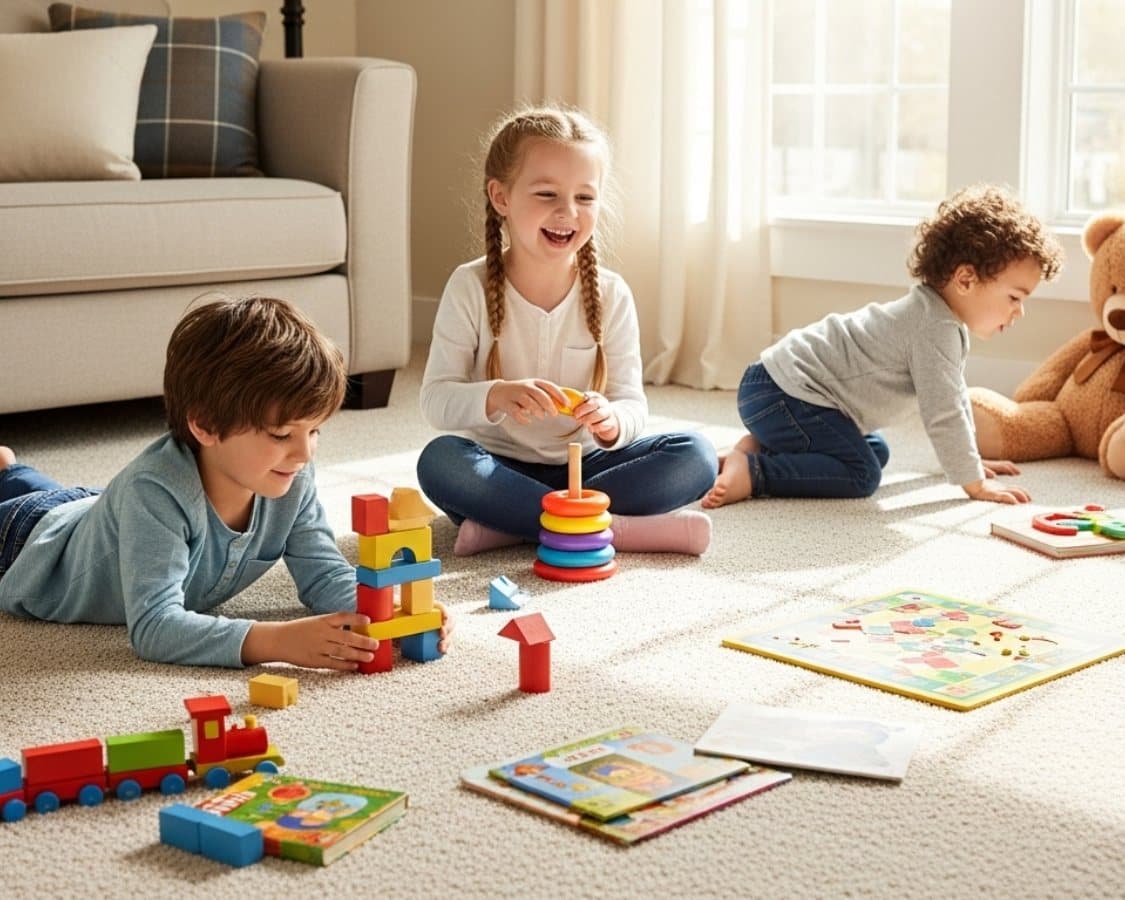
It works on the same things we clean: wall-to-wall carpet, area rugs, and upholstered furniture. Hard floors don't need it. Tile and wood get wiped and mopped all the time, and the grime there is a cleaning problem. The fabric surfaces are the ones that hold onto things, because nobody runs a sofa cushion through the dishwasher. A carpet in a house with a toddler gets crawled on and drooled on all day, and it gets vacuumed. That's about it for most of a year.
What you get is a cleaner, fresher soft surface with fewer bacteria on it. You don't get a medical treatment, and nobody should promise you one. It won't keep the next spill from happening, and it doesn't leave a permanent shield on the carpet. Think of it as a reset.
Where it earns its keep
Some rooms and some pieces get far more benefit than others. These are the spots we'd pick first:
- The sofa or recliner where someone spent a sick week
- Nursery carpet and the rug where a baby crawls and naps
- The corner where the dog bed sits, and the cushion the cat claims
- Sofa arms and the front edge of seat cushions, where hands and faces rest
- Entry carpet and the first few feet of hallway
- Kids' bedrooms after a sleepover, a cold that made the rounds, or a potty-training stretch
Homes with a long-time pet, a new baby, or someone with a weak immune system tend to add it as a regular habit. A household of two adults with no pets and a guest room nobody uses can usually skip it. We'd rather you spend the money where it does something.
What it won't fix
Pet urine is the big one. When a dog or cat has been going in the same spot for months, the problem is in the pad and sometimes the subfloor. A sanitizer on the surface won't touch that. That job needs our live enzyme pet treatment, which is built to soak down to where the urine went. If you have both a sick-room situation and a urine spot, tell us, and we'll treat the spot properly and sanitize the rest.
It also won't make a stale-smelling room smell new if the smell comes from something else. Musty odors usually point to moisture, and sour ones to old shampoo residue from a past cleaning. Those get handled by the cleaning itself, and the sanitizer goes on top.
One more thing, and it costs us a sale now and then. If your carpet just needs a normal cleaning, get a normal cleaning. The sanitizer is for the times you have a reason.
A few things to do before we come
You don't need to prep much, but a little helps the visit go faster.
Pick up toys, shoes, and anything small off the floor in the rooms you want done. Strip the sofa of throw blankets and pillows that will go in your washer anyway. Make a short list of the trouble spots: which cushion the sick kid used, where the dog sleeps, the corner of the nursery by the changing table. It's easy to forget once someone is standing in the room with you.
Skip the store-bought disinfectant spray in the day or two before. Layers of household product can leave residue that makes our job harder, and they don't add much once the professional treatment is on. If you already used something, just let the technician know what it was.
Once the cleaning and sanitizer are done, the fibers dry fast, so the family can usually get back on the sofa the same afternoon. Keep pets and socks off the carpet until it's dry to the touch.
If the house just came through a rough week, call us at 803-310-3848 and say which rooms the sick folks were in. We'll price the cleaning and the sanitizer together before any work starts, and you can decide what's worth doing.