Clean and sanitized are two separate things. Cleaning pulls out what you can see and feel: dirt, grit, spills, oil. Sanitizing goes after bacteria, fungi, and viruses living in the fiber, which a spotless-looking carpet can still carry plenty of.
Plenty of houses can skip the sanitizer on most visits. It earns its keep in a few situations:
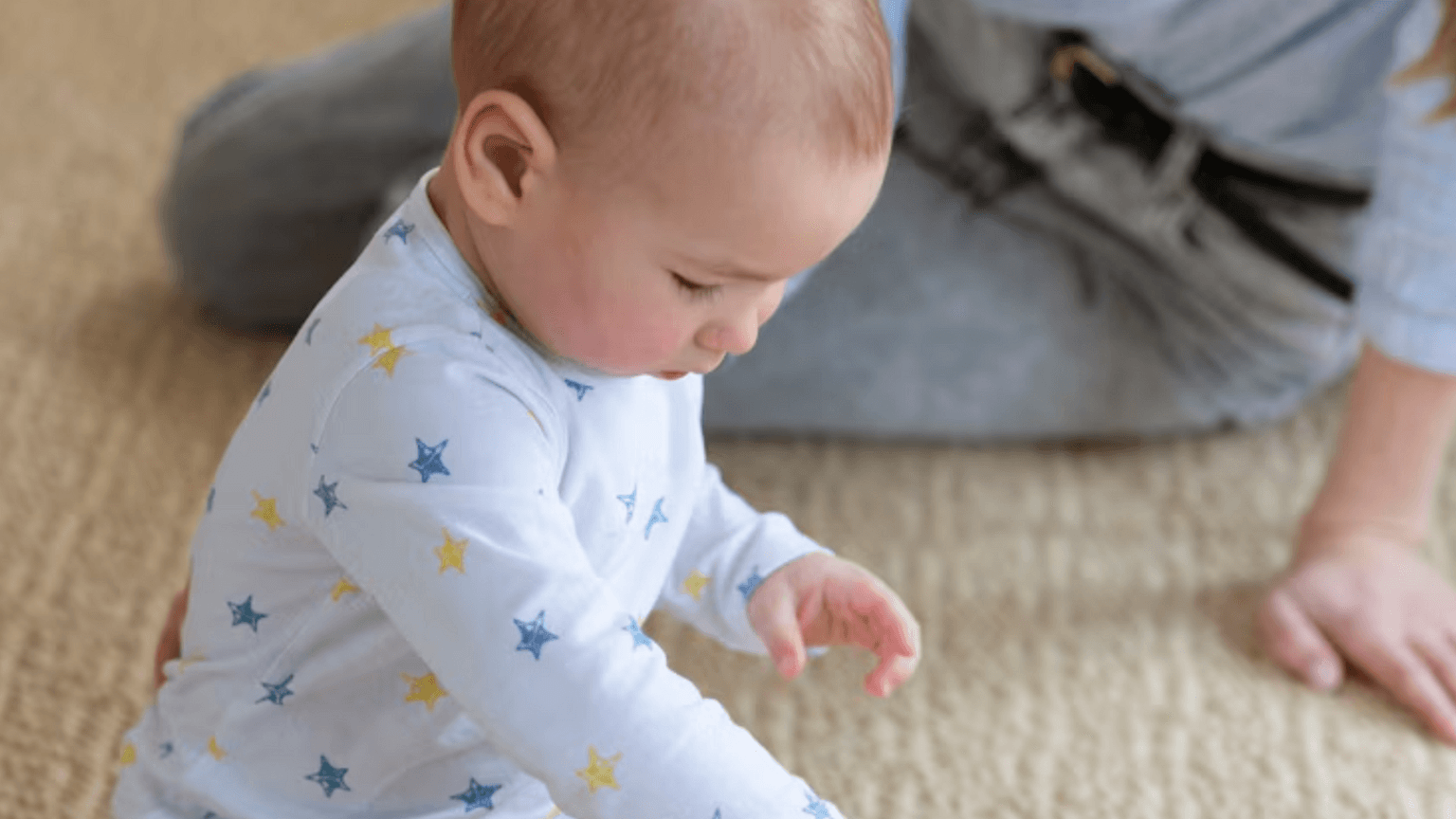
- A nursery, or the room a new baby will crawl around in soon
- After a stomach bug or a long cold has gone through the family
- A bedroom where someone with allergies or asthma sleeps
- A house you just bought, or a rental you're turning over
- The room the pets spend their days in
If none of that sounds like your house, your technician will tell you to skip it.
How a sanitizer visit runs
It always comes after a cleaning. Germs hide under soil, and a sanitizer laid over a dirty carpet does half a job. So we clean first, check that the fibers are clear of debris, and then treat the clean surface where the product works best.
The sanitizer itself is an EPA-registered product made for carpet and fabric. It goes on as a fine, even application over the carpet, rugs, and upholstery you've picked, and it leaves no residue you can feel. An antimicrobial treatment can follow, which keeps working against new growth for a while after we leave.
It also helps with two things people don't expect. Dust mites, and the bacteria that feed on the skin flakes and dander mites live on, drop off noticeably. And odors from pets, mildew, and ordinary daily life fade along with them. Allergy sufferers often feel the difference in the bedroom first.
Very little water goes down through the whole process, so carpet and furniture are ready to use within a few hours. Before we finish, the technician walks the treated rooms with you and goes over a few habits that help the results last.
Moving in, moving out
The house-you-just-bought case comes up more than people would guess. You don't know who lived there, what pets they had, or when the carpet was last cleaned. A clean and sanitize before the furniture arrives is the easiest time to do it, since the rooms are empty and nothing needs moving. Landlords turning over a rental often do the same between tenants, and it helps when the next family walks through and the place smells like nothing.
Is it safe
Yes. The products are non-toxic and gentle on nylon, polyester, wool, and the common upholstery fabrics, and anything unusual gets a spot test first. Once it's dry, the baby can crawl on it and the dog can nap on it. There's no heavy perfume, either. The room should smell like nothing much.
How long it lasts
The sanitizer kills what's there the day it goes on. After that, people and pets bring new bacteria back in with them, as they always will. In a busy house the benefit fades over a few months. A quiet one holds on longer. Families who like the results tend to repeat it every six to twelve months, and a house with a crawling baby or someone with serious allergies might go a little more often.
I'll be straight with you: this doesn't replace good habits. Wash bedding, run a decent vacuum, and change the HVAC filter. The sanitizer is a reset button for a room that needs one.
Getting it done
Most people add the sanitizer to a carpet, rug, or upholstery cleaning they're already scheduling, and the price for it comes on the walk-through with everything else. The 100% satisfaction guarantee applies here too. If a nursery is coming together on a deadline, call 803-310-3848 and say so; the contact page is there for less urgent questions.