Menu
Same-Day Service Available!
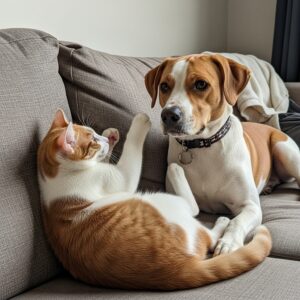
Pet Stains on Upholstery in Dentsville, South Carolina are one of the most common reasons homeowners call us, especially when a couch or chair is the center of family life. It only takes one accident, one muddy jump, or one “wet paws after a walk” moment to leave a mark that keeps catching your eye. Upholstery can be tricky because it is designed for comfort, not for spills. Fabric holds onto moisture. Cushions hide what you cannot see. And if the wrong cleaning method is used, you may remove the stain but leave behind a water ring that looks even worse than the original spot.
We hear the same concerns again and again. People want to clean pet stains quickly, but they do not want the fabric to look blotchy. They want odors gone, but they do not want strong chemical smells in the home. They want the couch to dry quickly, but they do not want to soak the cushions and risk lingering dampness. Those are smart concerns, because upholstery is one of those surfaces where “more water” rarely equals “more clean.”
The good news is that most pet stains on couches and chairs can be improved safely at home when you use the right approach. The key is controlling moisture, working from the outside of the stain inward, and using a method that lifts residue instead of pushing it deeper. In addition, the right drying steps matter just as much as the cleaning steps. Water rings often form because moisture spreads unevenly and dries unevenly, leaving a visible edge.
In this guide, we will walk you through a practical, fabric-safe way to handle pet stains on upholstery while minimizing the risk of water rings. We will also explain the difference between safe DIY care and risky steps that can set stains permanently or damage fabric texture.
Here in Dentsville, we focus on a family-safe, low-moisture mindset whenever upholstery is involved. Upholstery cleaning should feel simple and controlled, not like you are shampooing a carpet with buckets of water. When cushions get soaked, stains often spread, odors linger, and drying takes far longer than expected. In addition, overwetting can cause browning, tide lines, and that classic “halo” ring effect around a once-small spot.
That is why we approach upholstery cleaning with careful steps that help prevent water rings, protect fabric, and support faster drying. If you are dealing with recurring odors along with stains, it also helps to understand odor and stain removal options.
If you want professional help for delicate fabrics, heavy staining, or odors that keep returning, you can also review our upholstery cleaning service details.
For now, keep reading. We will start with what matters most: how to identify what you are cleaning, how to avoid water rings, and how to remove pet stains without turning one spot into a bigger one.
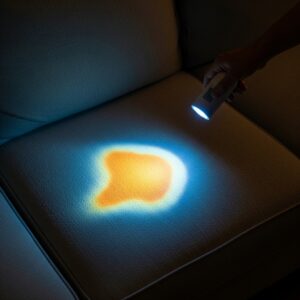
Before you spray anything, take ten seconds to assess the stain. That small pause prevents most of the mistakes that create water rings.
Ask these questions:
Why it matters:
If you can, check the cushion label for cleaning codes. Many upholstery pieces include a tag with W, S, WS, or X.
If the tag says S or X, skip the DIY liquid steps and jump to the “when to call a pro” guidance later. Using water on an S-code fabric is a common reason for rings, texture changes, and permanent spotting.
Most water rings come from uneven moisture, and uneven moisture comes from messy tools. The goal is controlled, even application.
What you want on hand:
Cleaning solution options (choose one, keep it simple):
Avoid common problem products:
Residue is a big deal for upholstery. Even if the stain looks gone, leftover residue attracts soil and causes re-soiling. It can also create stiff patches that look darker under light.
For fresh stains, blotting is the make-or-break step.
How we blot:
What to avoid:
If the stain is urine, press gently but consistently. The goal is to pull moisture out, not push it down. If you can remove more liquid during this step, you reduce odor and reduce the need for heavy cleaning later.
This is the step most people skip, and it is one of the main reasons water rings appear.
Water rings form when:
The strategy is to blend and control moisture at the edges.
Here is what we do:
This sounds backward, but it helps prevent a harsh line. Think of it like feathering paint. You do not want a sharp edge.
If the fabric is delicate or you are not sure about water use, skip misting and instead use dry blotting and a minimal-cleaner approach only on the stain.
Over-application is the fastest path to rings and texture damage. Controlled cleaning wins.
For general pet grime, drool marks, or muddy spots:
For urine or organic stains with odor:
Important note:
Enzyme cleaners need time to work. However, too much product can create a larger wet zone and form a ring. That is why controlled application is critical.
If the stain is old and strong-smelling, it may be below the surface. In those cases, surface cleaning can improve appearance, but odor may return if residue remains in the cushion fill.
This step is where many DIY attempts go wrong. People clean the stain, then stop, leaving soap or enzyme residue behind. Residue attracts dirt and can leave a stiff patch.
A light rinse means:
You are not trying to soak the fabric. You are trying to lift leftover cleaner.
If you used a foaming product, rinsing becomes even more important because foam often leaves film behind.
After cleaning, some fabrics look “off” because the fibers are laying differently. This can make the spot look darker, even if it is clean.
To reset:
Do not do this on delicate woven fabrics that snag easily. If the fabric catches, stop.
Drying is part of cleaning. If drying is uneven, rings can appear even after the stain looks improved.
What helps drying:
What to avoid:
If the cushion cover is removable and washable, follow the label instructions. Even then, be careful. Some covers shrink, and some fabrics show water lines after washing. When in doubt, spot treat and dry thoroughly rather than fully soaking.
Safe steps most fabrics tolerate well (when done gently):
Risky steps that commonly cause water rings or fabric damage:
If you have tried cleaning already and the area looks larger, blotchy, or ringed, stop. Re-wetting a ring repeatedly can make it more noticeable.
There are a few clear moments where professional help is the smarter option:
If you are seeing recurring pet odors and stains across multiple surfaces, it helps to choose a targeted service. For ongoing pet issues, many homeowners start with a dedicated odor and stain removal service.
At this point, we have covered the foundation: identify the stain, clean with controlled moisture, and dry correctly to avoid rings. Next, we will walk through deeper stain situations, including set-in urine spots, repeated accidents, and what to do when the cushion interior is involved.
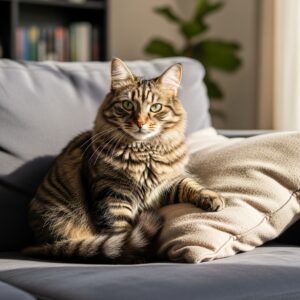
Couches and chairs collect daily life. Even in homes that look tidy, upholstery holds onto pet hair, dander, dust, and everyday oils that settle into fibers over time. Pet stains add another layer because they often include residue that clings and attracts more soil. When upholstery is properly cleaned, the entire room tends to feel fresher because the biggest soft surface in the space looks and feels more cared for.
For many households, that matters as much as appearance. A clean couch is where families relax, watch movies, and host friends. When pet stains on upholstery are handled correctly, the furniture feels comfortable again rather than “off limits.”
DIY spot cleaning often improves the surface but leaves behind cleaner residue or partially-lifted stain material. That leftover residue can cause:
A professional upholstery cleaning approach focuses on controlled application and effective removal. The goal is not just to wet the stain. The goal is to lift and remove what caused the stain, then leave the fabric evenly clean and evenly dry.
Water rings are often a drying issue, not a cleaning issue. They form when moisture spreads unevenly and dries unevenly, leaving a clear boundary.
Professional upholstery cleaning helps because the process is designed around:
That is especially helpful for light-colored fabrics where even a mild ring is easy to see.
Furniture is not cheap. Even when a couch is not brand new, most homeowners want to extend its life. Pet stains can weaken fibers, cause lingering odors, and encourage repeat staining if residue remains.
When upholstery is cleaned correctly:
In addition, regular maintenance helps reduce the buildup that makes spot cleaning harder later. When a couch is already loaded with grime and oils, one small pet stain can look bigger and set faster.
Many “pet odor” situations are really residue situations. Urine, vomit, and drool leave behind organic material that can keep smelling when humidity rises or when cushions are compressed.
A professional plan for odor removal typically includes:
If odor is a major concern, it may help to pair upholstery cleaning with a targeted odor and stain removal plan.
Repeat accidents are not always behavioral. Sometimes pets return to a spot because they can still smell it. Even when humans cannot smell it clearly, pets sometimes can. Thorough cleaning and proper residue removal can reduce that trigger, especially when combined with simple prevention habits like keeping pet blankets washable and protecting favorite pet zones.
If repeat accidents are part of your situation, upholstery cleaning becomes part of prevention rather than just repair.
Many families in Dentsville schedule upholstery cleaning around the same time as other deep cleaning services because it resets the home in one visit. If pet stains are showing up on furniture, it is common to see pet-related needs on other surfaces too. For example, homeowners often combine:
Keeping services coordinated helps the home feel consistently clean instead of having one surface look fresh while another still holds odor or stains.
One of the biggest hidden costs of DIY upholstery cleaning is trial-and-error. When the wrong cleaner is used, or when moisture is applied unevenly, it can create:
Professional upholstery cleaning is valuable because we start with inspection:
That inspection step is often what prevents water rings and prevents “cleaner damage” that is harder to fix than the original stain.
If pet stains on upholstery keep happening in the same spots, it helps to treat the situation like a system rather than one stain. That may include:
When you reach that point, booking becomes less about a single stain and more about keeping your home comfortable. If you want to avoid water rings, protect light fabrics, and handle odor the right way, booking online is an easy next step.
Next, we will move into pro tips you can use every week, including a simple “no-ring” cleaning routine, what to avoid on common fabrics, and how to keep pet stains from returning.
Pet stains on upholstery usually have a visible side and an invisible side. The visible side is the spot you can see. The invisible side is the residue that can remain in fibers or cushion fill. When residue stays behind, it can attract soil, cause reappearing discoloration, and keep odors lingering.
A simple home-care habit that helps:
This small rinse-and-dry routine helps prevent the “looks clean today, looks dingy tomorrow” cycle.
Water rings happen when the center of a stain gets wet and the edges stay dry. When the moisture spreads, it creates a drying line. A safer approach is to blend the edges while keeping the fabric from getting soaked.
A practical no-ring pattern:
If you are using a spray bottle, aim for misting your cloth, not misting the couch.
Scrubbing is one of the fastest ways to create rings and texture issues. It spreads stain material outward and drives residue deeper. Dabbing keeps the stain in place and gives you control.
Use this rule:
If a stain is stubborn, do more cycles of dab and blot instead of harder scrubbing.
These are the situations that often create water rings even when the stain is removed:
If you want to prevent water rings, focus on evenness. Even product, even moisture control, and even drying.
Fresh stains are easier to remove, but they can spread quickly if you panic-clean with water.
A fast response routine that works well:
This routine is simple, controlled, and ring-resistant.
Most pets have favorite zones:
Instead of fighting the same stain over and over, protect the zone:
This is not about hiding the furniture. It is about making the maintenance easier and keeping the upholstery looking consistent.
Mud and paw stains often start at the door and end at the couch.
Quick habits that help:
A cleaner pet coat leads to cleaner upholstery, and it makes spot cleaning less frequent.
If you want fewer rings, avoid these shortcuts:
Depth cleaning is not just about wetness. It is about lifting and removing residue with control.
Some fabrics are more likely to show rings or shading:
For these fabrics, the safest plan is minimal moisture and frequent blotting. If the couch is high value or the stain is in a highly visible area, professional upholstery cleaning is often the cleaner, lower-risk choice.
Pet stains are easier to handle when the overall couch is not loaded with hair, oils, and dust.
Weekly routine:
Monthly routine:
This routine keeps the fabric stable, and it reduces the odds of blotchy cleaning later.
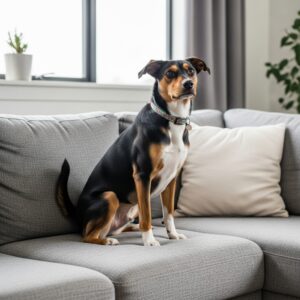
Every couch is not the same. The cleaning code, the fabric weave, the cushion construction, and the age of the stain all change the best approach. When we handle Pet Stains on Upholstery in Dentsville, South Carolina, we begin by identifying what the fabric can safely tolerate and how the stain likely traveled. That helps us avoid the two biggest problems homeowners worry about: water rings and blotchy texture.
This is also why we are careful about moisture. Upholstery holds water differently than carpet. It can look dry on top while staying damp underneath. That hidden moisture is where odors linger and where ring lines can form as the fabric dries.
Our local team focuses on controlled cleaning that supports quick-drying results. That matters for comfort, but it also matters for appearance. When upholstery dries evenly, it looks even. When it dries unevenly, it can show lines, halos, and shade changes.
A low-moisture mindset helps:
For homeowners who want to learn more about professional couch and chair care, our upholstery cleaning service page.
Pet stains often involve odor, even when the stain is small. In addition, odor can be present even when you cannot see a visible mark. That usually means residue is present.
When odor is part of the problem, it helps to use a plan that focuses on:
If odor is a major concern in your home, it is helpful to review the odor and stain removal option.
Many homeowners are cautious about what touches their furniture because couches are where families spend time. Our approach is designed to be practical for real homes with kids, pets, and busy schedules. We aim for a clean result that feels comfortable, not “chemical.”
That includes being careful with:
One reason DIY cleaning feels disappointing is that it often treats only the center of the stain. That can lead to a clean dot with a visible edge, or a ring that forms as the area dries.
We focus on consistent cleaning coverage that blends and supports even drying. That is how you get a couch that looks normal again instead of “fixed in one spot.”
If you are dealing with pet stains that keep returning, or you want your couch cleaned without the risk of water rings, book now. Many homeowners schedule after they have tried one or two DIY attempts and realized the couch needs a more controlled approach.
Next, we will answer the most common questions we hear about Pet Stains on Upholstery in Dentsville, South Carolina, including how long cleaning takes, how drying works, how to prevent repeat accidents, and how to schedule service.
When we clean Pet Stains on Upholstery in Dentsville, South Carolina, our main goal is a clean, even finish with no blotchy edges. Water rings usually happen because a stain is treated with too much moisture in a small area, then the moisture spreads outward and dries unevenly. To prevent that, we focus on controlled application and controlled removal. We blot first to pull out as much residue as possible, then we clean with a low-moisture method that avoids soaking seams and cushion edges. We also pay attention to blending the surrounding area, because cleaning only the center often creates a visible boundary after drying. Finally, we guide drying with airflow and proper towel extraction so the fabric dries evenly. When the stain is urine, we also target the residue that causes odor, because odor is often what brings pets back to the same spot. The combination of minimal moisture, effective removal, and even drying is what prevents rings and keeps upholstery looking consistent.
Time depends on the number of pieces, the type of fabric, and how deep the pet stain is. A single couch with one or two visible spots is usually quicker than a full set of furniture with multiple stained cushions and odor concerns. Another factor is cushion construction. If the stain has soaked into seams or into the cushion fill, it takes more time to treat correctly because the process needs to remove residue rather than just make the surface look better. We also allow time for inspection, because fabric code, weave, and color affect the safest method. What matters most is not speed for its own sake, but doing the cleaning in a way that avoids overwetting and avoids water rings. If you are trying to plan your day, it helps to schedule when you can keep the area clear and allow airflow for drying. That simple planning step often leads to better results and a more comfortable home right after the service.
Upholstery cleaning can be a safe choice for family homes when the method is designed around controlled moisture, fabric-safe products, and low residue. The biggest concerns in family spaces are strong chemical smells, slippery damp surfaces, and leftover cleaner film that attracts dirt. We aim to avoid those issues by using a careful approach that focuses on removing stain residue while keeping the fabric from being soaked. After cleaning, we recommend giving the upholstery time to dry fully before kids and pets return to their favorite spots. In addition, good airflow helps both comfort and appearance, because even drying is a key part of preventing water rings. If your home has sensitive fabrics, light-colored upholstery, or recurring pet accidents, professional care reduces trial-and-error and helps protect the furniture your family uses every day.
Yes, and it happens more often than people expect. Urine can travel below the surface and soak into cushion fill, seams, and stitching. The surface may look clean, but residue can remain where a towel cannot reach during DIY cleaning. That residue can release odor again when humidity rises or when someone sits on the cushion and compresses the fabric. This is one reason Pet Stains on Upholstery in Dentsville, South Carolina can feel frustrating without a controlled plan. A better approach focuses on removing the source, not masking the smell. That means blotting and extracting as much as possible, using the right type of cleaner for organic residue, and keeping moisture controlled so the cushion does not stay damp. If odor keeps returning after careful DIY attempts, it often means the problem is deeper than the surface. In those cases, professional upholstery cleaning and targeted odor and stain removal usually provide the most reliable improvement.
Light-colored upholstery shows everything, including water rings and slight shading changes. The safest DIY plan is simple and conservative. Start by blotting, not rubbing. Use a cleaner applied to a towel first rather than spraying the fabric directly. Dab from the outer edge inward to keep the stain from spreading. After the stain improves, do a light rinse by dabbing with a cloth that is barely damp, then blot dry thoroughly. Drying matters as much as cleaning, so use airflow from a fan and avoid sitting on the cushion until it is fully dry. Avoid heavy foam sprays, soaking the cushion, and aggressive scrubbing, because those steps often create rings and texture changes on light fabric. If the fabric tag says S or X, avoid DIY liquids completely, because water can cause permanent marks on those materials. If you are not sure about the fabric code, professional upholstery cleaning is usually safer than guessing on a light couch.
For many pet households, professional upholstery cleaning every 6 to 12 months is a good baseline, with more frequent service if pets spend a lot of time on the furniture or if accidents happen often. The right schedule depends on your home’s habits. If you use washable throws and vacuum weekly, you may be able to stretch the time between visits. If your pet sheds heavily, has oily fur, or loves one couch corner, buildup can happen faster and make spot cleaning more difficult. Regular maintenance also helps prevent repeated staining because the fabric stays cleaner overall, which reduces the chance that small spots become set-in stains. Many homeowners find that scheduling upholstery cleaning as part of a wider home refresh works well, especially when pet odors or stains are also present on rugs or carpet. The best indicator is the furniture itself. If it looks dingy, smells “off” after humid days, or shows repeated spots in the same areas, a professional cleaning schedule often makes the home easier to maintain.
Scheduling is easiest when you have a clear picture of what you want cleaned. Before booking, it helps to note the type of stain, whether odor is involved, and which pieces need attention. If the stain is urine and the odor returns after DIY cleaning, mention that, because it often changes the plan. If you are worried about water rings, mention that as well, especially if the fabric is light. The simplest way to book is through the local scheduling page. If you want to learn more about the service before booking, you can review upholstery cleaning details and read about targeted odor and stain removal. Those pages help you decide whether the situation is a simple spot issue or a deeper odor and residue problem that needs a more focused approach.
Pet stains on furniture are stressful because they sit in the most visible and most-used areas of the home. A couch is not just a piece of furniture. It is where families relax, where kids snack, where pets nap, and where guests sit. When a pet stain happens, the goal is not only to remove a mark. The goal is to restore the furniture so it looks consistent, feels comfortable, and dries evenly without leaving a ring behind.
The most reliable strategy is controlled moisture and controlled removal. Blot first to pull out as much as possible. Clean using a towel-applied solution instead of soaking the fabric. Rinse lightly to prevent residue that attracts new dirt. Then dry thoroughly with towels and airflow, because even drying is what prevents water rings. When odor keeps returning, it usually means residue is deeper than the surface, and that is when professional care becomes the smarter choice.
If you are tired of repeat stains, worried about water rings on light fabric, or dealing with odors that do not stay gone, we can help with a plan that is designed for real homes with real pets. Safe-Dry Carpet Cleaning of Dentsville, South Carolina is ready to clean your couches and chairs with a low-moisture approach that protects fabric and supports quick-drying results.
When you are ready to book, schedule online now . If you want to review service options first, you can explore upholstery cleaning and odor and stain removal. We are here to make it easy to get your furniture looking clean again, without the stress of water rings and repeat accidents.